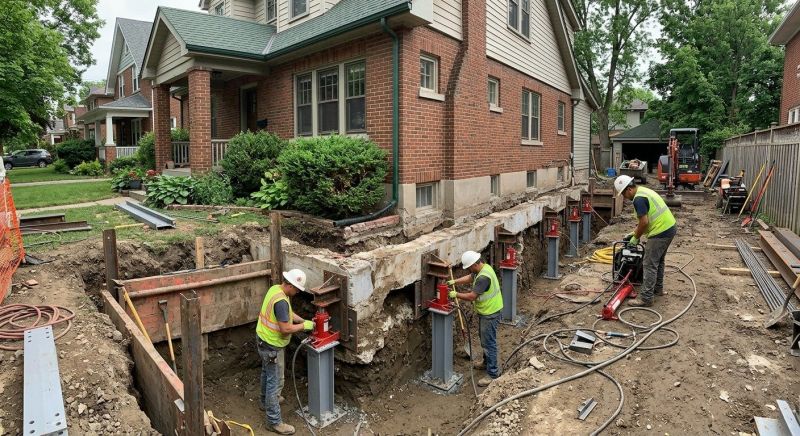
Foundation Underpinning in Tampa, FL
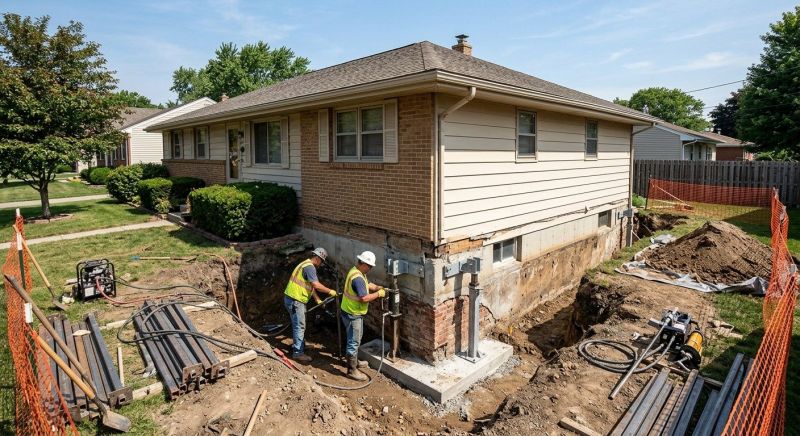
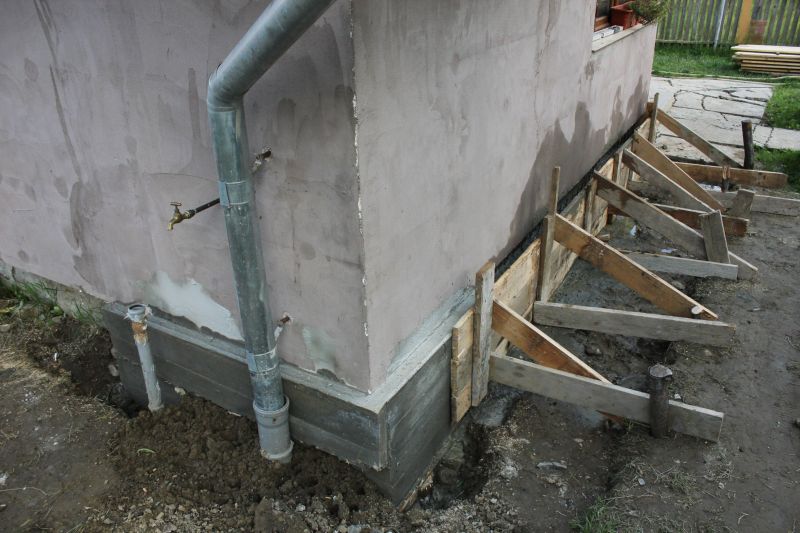
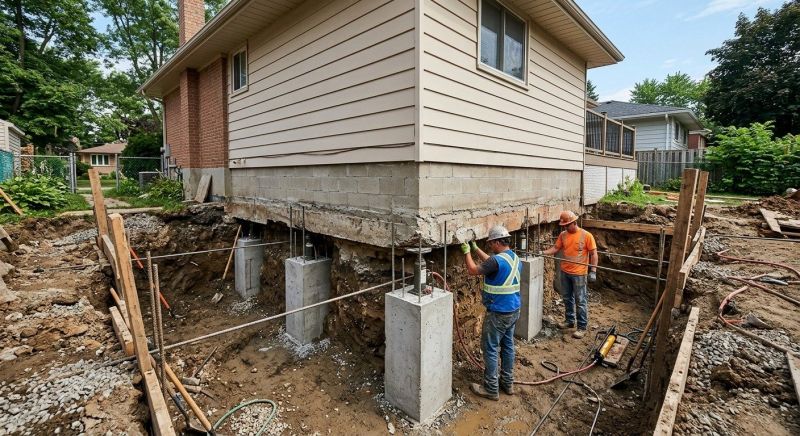
Foundation underpinning services involve strengthening and stabilizing a building’s foundation to address issues such as uneven floors, cracks in walls, or settling problems. This process typically includes installing additional support beneath the existing foundation, often through methods like piering or underpinning, to restore stability and prevent further damage. Projects may range from residential homes experiencing shifting or sinking to larger structures requiring ongoing support. Property owners should understand the specific signs of foundation movement and the types of underpinning techniques suitable for their property to ensure the work effectively addresses underlying issues.
Homeowners considering foundation underpinning usually want to know about the scope of the project, the materials used, and how the process may impact their property. It’s important to evaluate the extent of foundation movement, potential underlying causes, and whether the property’s soil conditions are suitable for underpinning methods. Understanding the expected outcomes and any necessary preparatory steps can help property owners make informed decisions about addressing foundation concerns and ensuring long-term stability.
Many property owners in Tampa, FL look into Foundation Underpinning for repairs, replacements, upgrades, and appearance-related improvements.
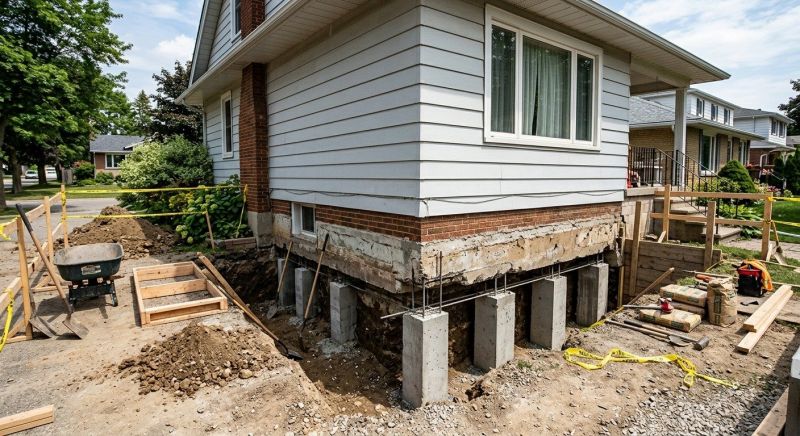
Understanding Foundation Underpinning
Foundation underpinning stabilizes and strengthens existing structures affected by settling or shifting soil.
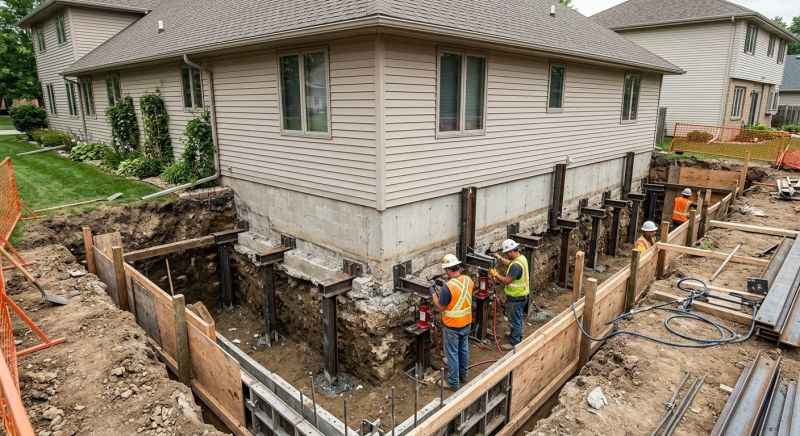
Common Signs Of Foundation Issues
Cracks in walls, uneven floors, and sticking doors can indicate the need for underpinning services.
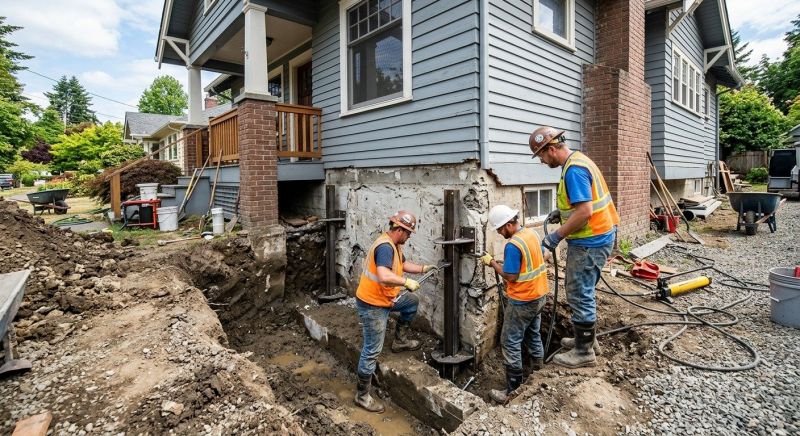
Benefits Of Foundation Stabilization
Proper underpinning can prevent further damage and protect the long-term safety of your tampa property.
Foundation Underpinning in Tampa, FL

Foundation underpinning services involve strengthening and stabilizing a building’s foundation to address issues such as uneven floors, cracks in walls, or settling problems. This process typically includes installing additional support beneath the existing foundation, often through methods like piering or underpinning, to restore stability and prevent further damage. Projects may range from residential homes experiencing shifting or sinking to larger structures requiring ongoing support. Property owners should understand the specific signs of foundation movement and the types of underpinning techniques suitable for their property to ensure the work effectively addresses underlying issues.
Homeowners considering foundation underpinning usually want to know about the scope of the project, the materials used, and how the process may impact their property. It’s important to evaluate the extent of foundation movement, potential underlying causes, and whether the property’s soil conditions are suitable for underpinning methods. Understanding the expected outcomes and any necessary preparatory steps can help property owners make informed decisions about addressing foundation concerns and ensuring long-term stability.
Many property owners in Tampa, FL look into Foundation Underpinning for repairs, replacements, upgrades, and appearance-related improvements.
Common Foundation Underpinning Jobs
Foundation Underpinning - stabilizes and strengthens existing foundations to prevent settling or shifting.
Pier and Beam Support - raises and reinforces homes with pier and beam systems for improved stability.
Concrete Slab Support - repairs and reinforces concrete slabs to address uneven or cracked floors.
Settlement Repair - corrects uneven settling that can cause structural issues in residential properties.
Crack Repair - seals and stabilizes foundation cracks to prevent further damage.
Soil Stabilization - improves soil conditions beneath the foundation to enhance long-term support.
Foundation Underpinning Questions
What is foundation underpinning? Foundation underpinning involves strengthening or stabilizing an existing foundation to address issues like settling or shifting.
When is underpinning needed? Underpinning is typically required when signs of foundation movement, such as cracks or uneven floors, are observed in a property.
What methods are used for underpinning? Common methods include pier installation, mudjacking, and piling to provide additional support beneath the foundation.
How does underpinning benefit a property? Proper underpinning helps prevent further damage, maintains structural integrity, and preserves property value.
Request Foundation Underpinning in Tampa, FL
Use the quote form on this page to share the basics of your project and request more information for the type of work you need.